Ontario Nature Blog
Receive email alerts about breaking conservation
and environmental news.
© Lora Denis
Seasonal weather patterns have become less predictable and increasingly extreme. In Ontario, heavy snowfall followed by heavy late-winter rainfall has created hazardous meltwaters. In recent years, episodes of heavy rainfall have flooded urban areas, waterways and along shorelines causing property damage, health risks, erosion and damage to wildlife habitats.
Intense rainfalls and flooding harms both people and wildlife. The problem in Ontario has been exacerbated by increased development and environmental deregulation, which has weakened natural systems.
Environment and Climate Change Canada notes that extreme rainfall events, indicated by heavy downpours of more than 50 millimetres per hour, once occurred every 20 years. They are now reported to occur every 10 years by 2050. Over the past three years, the Greater Toronto Area alone has experienced several heavy rainfalls. Flooding in Bancroft, Ottawa and Toronto has damaged homes, businesses, infrastructure, vehicles and roadways. Further harms include shoreline and watershed erosion, nutrient inputs into the watersheds, and damage to wildlife habitats.
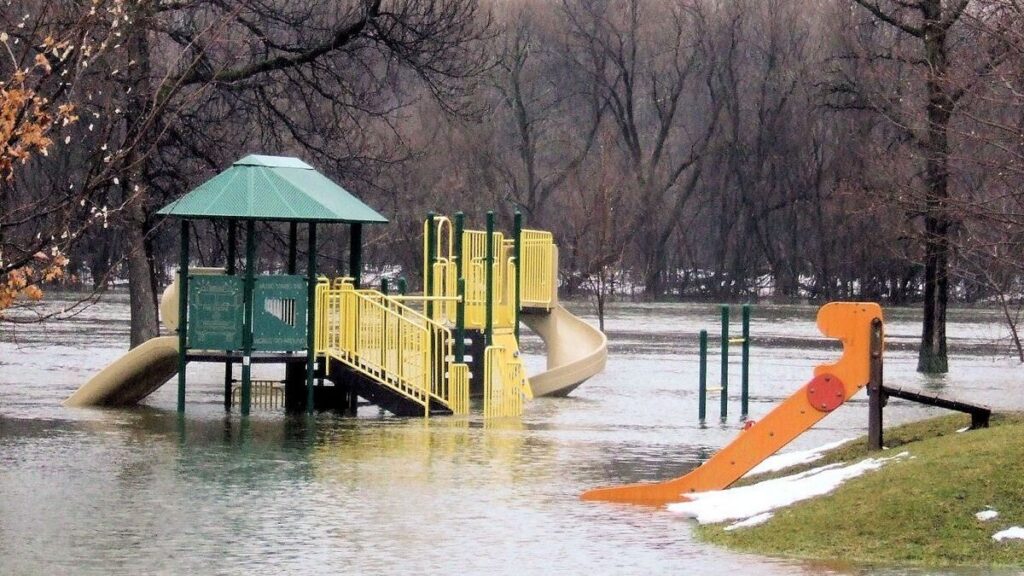
While heavy springtime rainfalls can recharge wetlands, fill vernal pools, create songbird fallouts and provide short-term surges for wildflowers, these limited positive outcomes are overshadowed by the associated harms.
Flooding can wash away or drown nesting sites for spiny softshell turtles that nest on riverside flats, as well as for lake sturgeon and freshwater mussels that lay their eggs along riverbeds. Ground-nesting birds such as killdeer and meadowlarks are also at risk. Vernal pool obligate species – such as Jefferson salamanders – lose eggs when breeding sites are flooded.
“Usually, flooding happens outside of the turtles’ nesting season,” says Marcus Maddalena, nature reserves manager for Ontario Nature. “But floods are becoming more intense and less predictable, leaving fewer days during which those sites are uncovered and available for nesting.”
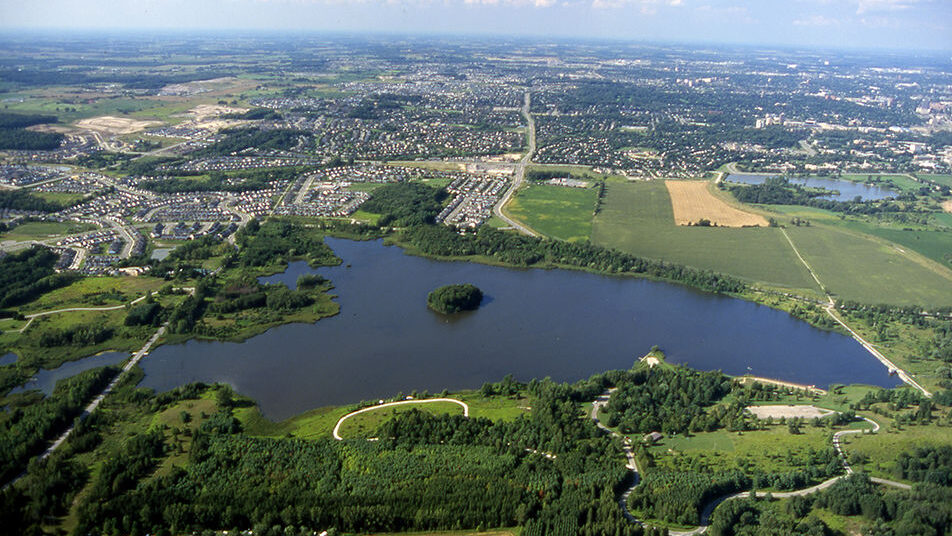
Intense autumn season rains can disrupt or wash out late-spawning fish redds such as for salmon and trout. Heavy rainfall can cause oils, heavy metals and road salt to flush into waterways, which stresses the health and breeding sites of native fish populations. Flood induced erosion along ravines and riverbanks, can strip native vegetation and open space for invasive species such as phragmites or dog-strangling vine.
In 1954, Hurricane Hazel brought a severe flood that washed out riverbanks, roads, properties and killed several people. Consequently, the Government of Ontario protected more parks and natural areas around Toronto and Conservation Authorities were provincially mandated to provide regional flood control.
The government is planning to consolidate Conservation Authorities in Ontario from 36 to nine in 2027. Yet, critics argue that this change will undermine the effectiveness of the watershed protectorate system by removing local experts from positions of oversight. Environmental deregulation has hindered the ability of natural systems abilities to prevent and mitigate the impacts of extreme rainfalls. While solutions exist, the question is whether there is political will to protect watersheds and wetlands.