Ontario Nature Blog
Receive email alerts about breaking conservation
and environmental news.
© Lora Denis
How can people engage in environmental conservation? How does one person make a difference in the fight for climate justice? Reading can help spark curiosity and deepen our connection to nature, and we recommend these titles as meaningful starting points for understanding and engaging with the natural world.
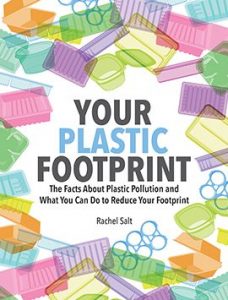
Rachel Salt’s Your Plastic Footprint: The Facts About Plastic Pollution and What You Can Do to Reduce Your Footprint (Firefly Books), begins with a history of plastic and why it is a problem. By giving context, it sets the stage for an examination about what to do about different plastics. Salt’s focus on solutions such as “by examining our waste, we are forced to be mindful about the choices we make and what we throw away.”
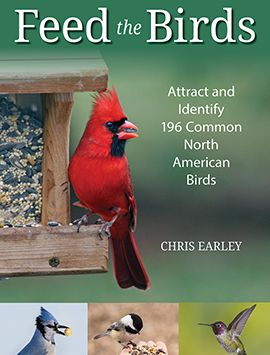
“Keep common birds common” is a guiding principle often shared at Ontario Nature and reflected throughout this book. Feed the Birds: Attract and Identify 196 Common North American Birds (Firefly Books) by Chris Earley is an accessible guide rich in photos for anyone interested in backyard birding. Practical, engaging and conservation-minded, it encourages everyday actions that help protect birds in a changing environment. By learning to attract and identify everyday species, readers begin to see their yards as part of a larger ecosystem. That personal relationship with nature is often the first step toward meaningful conservation.
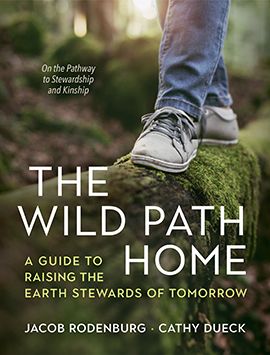
The Wild Path Home: A Guide to Raising the Earth Stewards of Tomorrow (New Society Publishers) by award-winning environmental educators Jacob Rodenburg and Cathy Dueck offers an accessible, experiential approach to fostering environmental connection from birth to teen years. Grounded in science-based research and Indigenous wisdom, The Wild Path Home offers practical, adaptable framework for fostering respect, reciprocity, and responsibility through outdoor learning and mentorship.

Advocacy is a theme that runs through Captain Paul Watson: Interview with a Pirate (Firefly Books) by Lamya Essemlali with Paul Watson. The book captures the inner dialogue of Watson, an “eco-pirate” and marine rights animal activist. Watson is both a revered and criticized example of environmental advocacy due to his approach that raises questions about tactics to save animals. Captain Paul Watson is a fascinating read for anyone wanting to look deeper into what motivates and constitutes ‘good advocacy’.
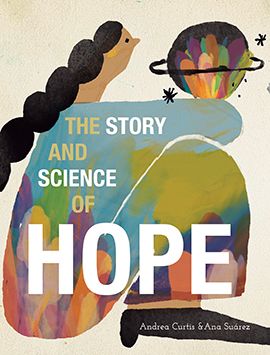
For middle-grade readers, The Story and Science of Hope (Groundwood Books) written by Andrea Curtis, illustrated by Ana Suárez states that “hopeful people pursue the things they want and the change they want to see in the world, despite bumps in the road”. This thesis forms the basis of The Story and Science of Hope that hope is more than a feeling, it’s an action, science and practice, too.
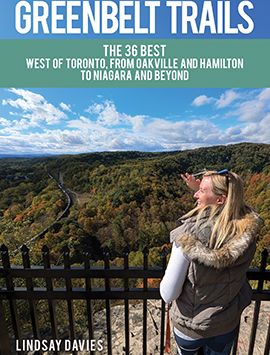
As hope and connection deepen, so does our engagement with environmental conservation, and hiking offers a meaningful way to cultivate both. Ontario has a biologically rich hiking system, which is highlighted in Greenbelt Trails: The 36 best west of Toronto, from Oakville and Hamilton to Niagara and beyond (James Lorimer & Company Ltd.) by Lindsay Davies. By providing specific details about each trail, Davies prepares would-be and present-day hikers with the tools to hike responsibly. In turn, this sets the stage for meaningful experiences on Ontario’s Greenbelt trails and hopefully, invigorates people’s sense of stewardship to the land.
As these books demonstrate, there are always meaningful ways to engage in environmental advocacy, whether it be policy reform, observation, hiking, waste reduction or hope. Each title offers a unique pathway to strengthen our connections with nature making wonderful additions to existing environmental resources.

I am excited about the future of the next generation of earth advocates.
Learning is a lifelong commitment. If we love and respect our earth and all our “relatives” who share this precious space, we must educate ourselves in ways to care for and nurture nature and each other.