Ontario Nature Blog
Receive email alerts about breaking conservation
and environmental news.
© Lora Denis
The Office of the Auditor General of Ontario has once again sounded the alarm for Ontario’s environment in its 2025 Annual Report. Specifically, the audit of the Operation of the Environmental Bill of Rights, 1993 (EBR) amplifies and reinforces last year’s warnings: Ontarians’ rights and opportunities to participate in environmental decision-making are being eroded.
Since the government enacted the EBR in 1984, it has been foundational in upholding environmental democracy in Ontario. It grants Ontarians the right to participate in certain government decision-making processes, be informed about environmentally significant proposals, and have their concerns meaningfully considered.
However, the latest findings are consistent with the conclusion of the 2024 Annual Report – that the province is failing to uphold the purpose of the EBR. The Auditor General concluded that ministries are increasingly relying on exemptions that allow environmentally significant decisions to proceed without public input, while also failing to consistently follow required consultation processes or provide the resources needed to support public understanding and participation.
Creating Exemptions From the EBR
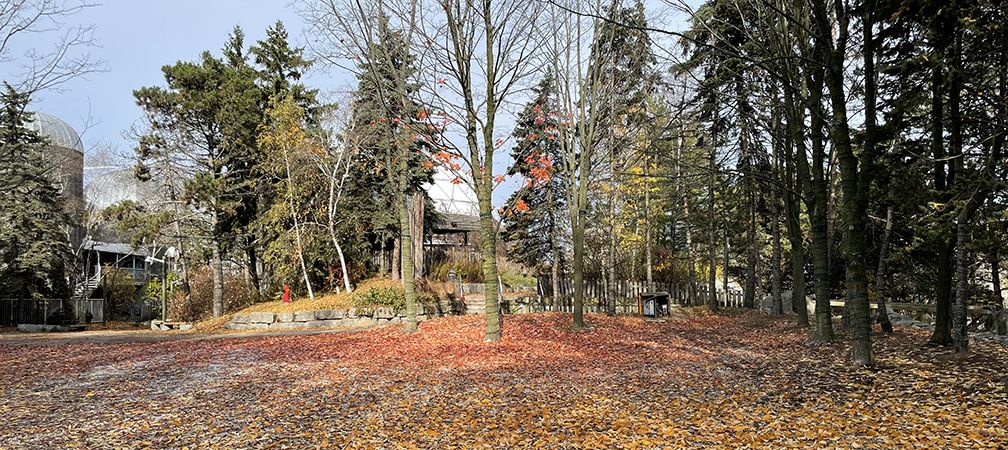
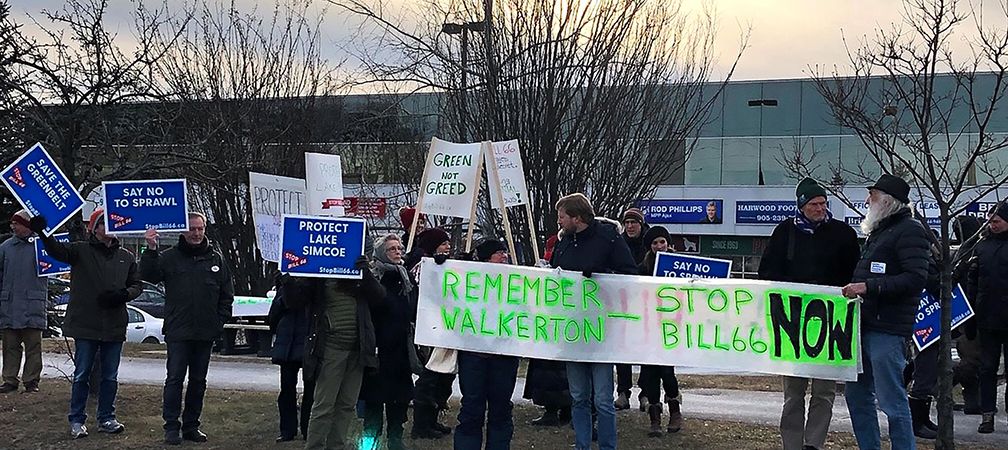
In the 31 years since the EBR has been in effect, the province has passed legislation to exempt itself from consultation requirements four times, all of which have occurred in recent years. This includes Highway 413 and the Ontario Place Redevelopment Project. These projects both pose a huge risk to the habitats and species.
The province is further deteriorating environmental protection by repealing the Endangered Species Act, 2007 and replacing it with the Species Conservation Act, 2025 (SCA). The Ministry of Environment, Conservation and Parks (MECP) has proposed a blanket EBR exemption for all permits and orders issued under the SCA. The implication of which is that consultation does not have to occur even if a significant impact to the environment is expected.
Lack of Transparency and Information
Ontarians can only exercise their EBR rights if they are aware of them. MECP has unique responsibilities under the EBR to raise awareness about associated rights and to ensure Ontarians have the knowledge needed to engage in public consultation processes. However, the Auditor General found that the government took no action this year to provide public education programs related to the EBR and dedicated no staff to lead public engagement. This lack of outreach is reflected in the ministry’s communications: MECP’s social media activity related to the EBR declined by 80% between 2021/22 and 2023/24, and the ministry didn’t make a single EBR-related post in 2024/25.
In addition to this, several ministries were called out for not providing adequate information to help Ontarians understand the environmental impacts of proposals and decisions. Over one-fifth of proposals reviewed did not explain potential environmental impacts.

Recommendations Not Being Followed
Out of the 12 recommendations in the audit, ministries only agreed to eight. Notably, MECP, along with the Ministries of Transportation and Infrastructure, rejected recommendations that would strengthen transparency, limit the use of EBR exemptions, and ensure consistent public consultation on environmentally significant decisions.
Our Voices Matter
Despite the erosion of environmental rights, the EBR is simply too important to let it fade away. Now is the time to defend and strengthen the EBR, ensuring that public input and democratic processes remain a foundation of environmental protection in Ontario.
Hi there
Please include dates on all your blog posts. Have no idea when they were written!
It would be helpful if the date and author were clearly shown.
Thank you
Hi there
Please include dates on all your blog posts. Have no idea when they were written! It would be helpful if the date and author was clearly shown.
Thank you