Ontario Nature Blog
Receive email alerts about breaking conservation
and environmental news.
© Lora Denis
Wetlands don’t always get the attention they deserve. Often quiet, muddy and tucked away at the edges of our communities, they can be easy to overlook. But wetlands are among the most powerful ecosystems on Earth and on World Wetlands Day we have a chance to change how we see them.
Ontario is home to roughly 25 percent of all wetlands in Canada and about six percent of wetlands globally. These are also Indigenous cultural landscapes, stewarded by many Nations since time immemorial. Wetlands support iconic wildlife, help protect communities from flooding, purify our water and provide spaces for people to connect with nature close to home.
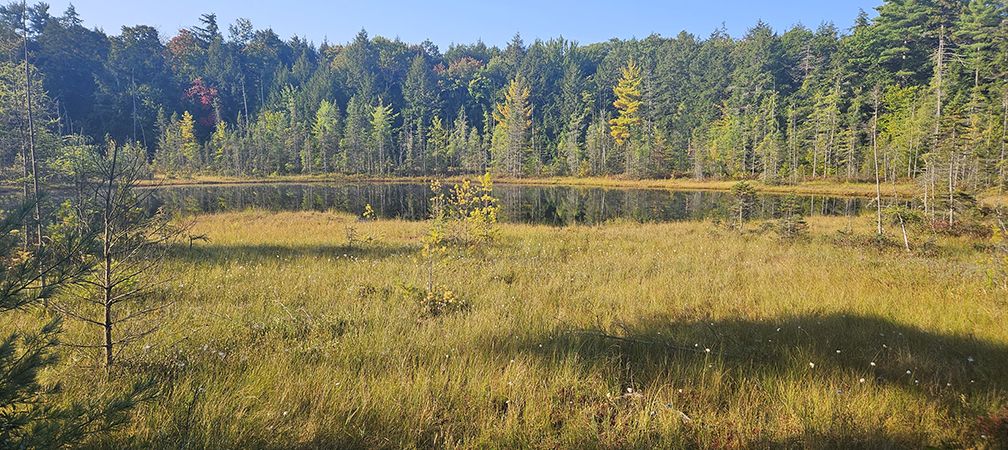
Yet despite their immense value, wetlands have been disappearing at an alarming rate. Southern Ontario has lost an estimated 70 percent of its original wetlands, and in the Greater Toronto Area, that figure rises to nearly 90 percent. In recent years, weakened wetland and habitat protections have added new pressures to ecosystems that were already under strain.
Still, there is reason for hope.
This World Wetlands Day, Ontario Nature is proud to shine a light on a group of inspiring community champions who are standing up for wetlands across the province. From Indigenous land protectors to local advocates, educators, and municipal leaders, these individuals are proving that meaningful conservation often starts with local people taking action at the community level.

People like Carolynne Crawley, Co-Founder of Turtle Protectors / Mishiikenh Gizhaasowin, who blends two-eyed seeing and public advocacy to protect our turtle relatives living within Tkaronto and establish Indigenous stewardship programs for their wetland habitats.
Or Janet Stavinga, President and Co-Founder of Friends of Stittsville Wetlands, who has mobilized community volunteers to protect and restore the ecologically significant Goulbourn Wetland Complex near Ottawa.
Across Ontario, other champions like Michel Koostachin, Tara Bauer, Susan Bryan, Tess Prendergast, and Matt Thomson are working within their own communities to protect wetlands from development, advocate for stronger policies and ensure these ecosystems continue to support people and wildlife alike.
Their tireless efforts remind us that while government decisions matter, community action is a powerful force – especially when people come together around a shared love for the places they call home. The full list of 2026 Wetland Community Champions is:
As climate change intensifies, wetlands are becoming increasingly important. They act as natural sponges during heavy rains, reducing flood risks. They store carbon, helping to slow climate change. And they provide refuge for countless species at a time when biodiversity is in deep trouble across the province.
Protecting wetlands isn’t just about conservation—it’s about community safety, clean water, climate resilience, and quality of life.
World Wetlands Day is not only a moment to celebrate. It’s a moment to act.
To help people speak up for wetlands in their own communities, Ontario Nature has created a new Wetlands Advocacy Toolkit. The toolkit includes clear information about wetlands, shareable resources, and tips for speaking with your elected officials to highlight why wetland protection matters now more than ever.
Whether you’re an Ontario Nature Nature Network member, part of another local group, or simply someone who cares about nature, your voice matters.
Wetlands have quietly protected us for generations. This World Wetlands Day, let’s return the favour by standing with the community champions working every day to ensure these vital ecosystems are around for future generations.
Explore the Wetlands Advocacy Toolkit and take action today.

I am many years advocate for protection of natural heritage in Toronto, ON, Canada and globally. Ontario was the first country in the world in early 70th Pioneer (1971): Ontario was the first province in Canada to pass an Endangered Species Act in 1971. Later it legislated a “gold standard” Endangered Species Act (ESA) in 2007. Protection peaked in the 90th and started to decline with more growth than protection focused governments along at all levels. Re-stating of protections laws is the key for reversal of currently bleak situation for Ontario nature. The emphasis of all levels of governments on growth in population/housing/resources exploitation is driving provincial legislature such as Bill 5 (Protect Ontario by Unleashing our Economy Act, 2025) or federal Bill C-5: One Canadian Economy. Our efforts to protect need to understand well the causes for pushing environmental concerns out of the radar. It is growth obsessed economy and those who profit. Our efforts should focus on benefiting nature first – less anthropocentric and much more ecocentric approach needed. Environmental justice should work above all for nature. Ecological Limits: It emphasizes recognizing limits to growth and human exploitation to prevent environmental degradation.